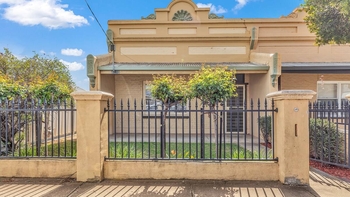


Downsizing your home is a big decision, one that comes with a mix of excitement and a touch of nostalgia. Whether your kids have flown the nest, you're seeking something more manageable, or your lifestyle has shifted, making the move to a smaller space can be the perfect way to simplify your life.

But while many downsizers have already experienced buying a home, this process is different. It brings with it a whole new set of considerations from whether to sell or keep your current property, to how you'll navigate lifestyle changes and adapt to a new financial model that suits your life today.
Why you might consider downsizing
So, why downsize? There are plenty of reasons why people decide to make the move. Maybe you're looking for a smaller property that's easier to manage. Or, perhaps you're hoping to cut down on utility bills, maintenance and your mortgage repayments. Maybe your circumstances have changed and your current home no longer fits your needs. Or, it could be time for a fresh financial start with a new model that's more compatible with where you're at in life.
Budgeting and finances
When it comes to budgeting for your next home, the earlier you start the better. Reaching out to a broker or your lender can give clarity on your options. Whether you're changing jobs, shifting your work status, or trying to decide if selling your current home or keeping it as an investment is the way to go, a broker or lender can help you find a financial strategy that works for your goals.
Selling your home
Pros:
- Finances will be freed up to purchase your next home.
- You won't be servicing multiple loans at the same time.
- No need to worry about managing an investment property.
Cons:
- No investment property, and therefore less capital growth.
- The emotional aspect of saying goodbye to your old home.
- The costs associated with selling your home.
- The proceeds from the sale could affect your eligibility for government benefits. Visit Services Australia for more up-to-date information or ask your broker how this could impact you.
The selling process can take time, so it's always smart to start early. Get your home valued to understand your price range, and be sure to explore any government downsizing incentives or schemes available to you. A broker can also help you identify financial opportunities that suit your situation.
While a full renovation isn't typically necessary, you'll want to get your home inspection-ready. A fresh coat of paint, fixing up any minor issues, and sprucing up the garden can make a big difference. Keep in mind, selling comes with its own costs, such as agent fees, marketing costs, styling, and potentially even temporary accommodation if you need to vacate the property during inspections or the selling campaign.
Once your home is sold, the next step is lodging a discharge of your mortgage with the local land titles office. Your conveyancer or solicitor will help organise the transfer of funds and ensure everything is properly taken care of.
Keeping your current home as an investment
Pros:
- You will have an investment property, and therefore a bigger financial portfolio.
- Rental or short stay/holiday accommodation returns.
- The opportunity to claim tax deductions on your rental.
Cons:
- Potentially being limited with what you can spend on your next property.
- Managing and servicing multiple loans.
- The responsibility and costs of managing an investment property.
If you decide to keep your current property, it can help build your portfolio and generate passive income. But it's essential to weigh up the pros and cons to determine if this makes sense for you, both financially and in terms of lifestyle. A broker or financial planner can help you navigate this decision and find the best approach for your stage in life.
Choosing the right property
There are plenty of factors to consider when searching for your new home. Whether you're looking for something smaller because the kids have left or you're after a more manageable property, the key is to find a place that fits your current and future needs.
Location is key. Do you want to be close to family or friends? What local amenities do you need, and how important is it to have them nearby? Is your chosen suburb well-suited to your lifestyle? Think about whether you need to be close to public transport, shops or health services.
When it comes to the property itself, think about what would make life easier. Would a smaller house with a low-maintenance yard suit you better or is an apartment more up your alley? If you're moving from a larger home, will you need to downsize your possessions or look for a property with great storage options? Would you prefer a modern home with the latest tech and minimal upkeep, or are you okay with a charming older property that might need a little extra love now and then?
Consider accessibility too, especially if you have mobility concerns. Do you need to avoid stairs? Are you expecting family to visit often, and how many bedrooms will you need?
A great place to start your search is on view.com.au. Attend inspections and auctions for a closer look at properties in your desired suburbs. If you're moving to a new area, spending some time in the neighbourhood can help you decide if it feels like home.
Buying your next home
Once you've found your dream property, it's time to focus on finances. Similar to buying your first home, you'll want to make sure your finances are in order. Your broker will guide you through the process, ensuring you're ready to make an offer or bid when the right property comes up.
If your current home hasn't sold yet, you might be able to make an offer that's 'subject to sale' - meaning the purchase is contingent on selling your home. This option isn't available at auction, though.
Another option is a bridging loan, which allows you to buy a new home before your current one is sold. This can alleviate some of the stress of managing both transactions at once. A broker or lender can help you determine if this is the right solution for you.
If juggling the sale and purchase at the same time sounds too overwhelming, you might want to consider selling your home first and then searching for your new place. With the funds in hand, you'll have more flexibility and you won't feel rushed. Just be mindful that property prices could rise in the interim, and you might need temporary housing while you search for your next home.
Conveyancing and settlement
Since you've been through the conveyancing and settlement process before, you know it's an essential part of buying and selling property. However, coordinating both the sale of your old home and the purchase of your new one can be tricky. If you want both settlements to occur on the same day, it's best to work closely with your conveyancer or solicitor to ensure everything lines up perfectly.
Downsizing doesn't have to be overwhelming. With careful planning, the right support from a broker, lender or financial planner and some thoughtful decision-making, you can make this transition a smooth and exciting new chapter of your life!