
It's not only those currently with a mortgage who have been hit by the latest interest rate rise.
Families who are at the beginning of their home buying journey or looking to upgrade have also been affected according to new research.
Rising interest rates could see the average family's maximum borrowing capacity shrink by $247,700, compared to April last year, once the latest RBA hike takes effect according to RateCity.com.au.

It found a family of four, where one parent works full-time and the other part-time at half the wage, on a combined annual income of $143,221 before tax, will have seen their maximum borrowing capacity drop by $247,700 as a result of the 12 RBA hikes.
As interest rates rise, the maximum amount a person can borrow from the bank decreases because they pay more in interest to the lender.
For a single person earning the average wage, with no debts, no dependents and minimal expenses, the maximum amount they can borrow from the bank will have dropped by $180,000 in the last 14 months.
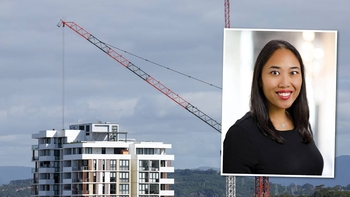
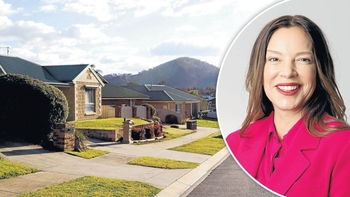
"People on the hunt for a new home have been dealing with a market that's defying gravity, on a budget that gets smaller by the month," said RateCity.com.au research director Sally Tindall.
"Once this latest cash rate decision takes effect, the big banks' ongoing variable rates are likely to be over 6 per cent, which means borrowers will soon be stress tested at rates of over 9 per cent.
"That's a staggering hurdle to clear, particularly for first home buyers with limited savings and smaller incomes."
While interest rates have gone up, property prices have defied conditions recently with property prices continuing to rise.
The pace of growth accelerated sharply over the month of May with the median dwelling price, which includes both houses and apartments, now sitting at $715,000 according to CoreLogic.
Sydney led the charge in price rises, with prices going up by 1.8 per cent over May setting the median dwelling price at $1.052 million.
Meanwhile Melbourne saw its median dwelling price rise by a smaller 0.9 per cent with the median home costing $755,871 in May.
Housing in regional Australia also saw one of its biggest jumps over the past months rising by 0.5 per cent with the median home value across regional Australia now sitting at $715,092.
Experts point to less houses for sale pushing prices up despite rates rising over the past 12 months.
"The last 11 rate hikes should have sent property prices sliding, but a severe lack of stock has the market moving in the other direction," said Ms Tindall.
"If the cash rate keeps climbing, we could see an increase in 'For Sale' signs in the second half of this year, as over-leveraged investors offload part of their portfolio and over-burdened families relocate to get some relief.
"Even there, we're unlikely to be in a market full to the brim with stock. Australia has a housing supply crisis that's not going to be solved easily or within a short timeframe," she said.
The borrowing estimates in the RateCity research assumes borrowers have no other debts, minimal expenses and have had a 3.75 per cent pay rise over the last year.
The amount someone can borrow depends on their personal situation and/or their lender.
The dismal outlook comes as another report shows first home buyers applying for loans has also dropped.
Nationally the number of first home buyers decreased to 21,150, nearly 18 per cent less than this time last year according the Real Estate Institute of Australia Housing Affordability Report.
During the first three months on this year the number of first home buyers also decreased.
Victoria had the largest decline with 24.1 per cent less first home buyers in this period.