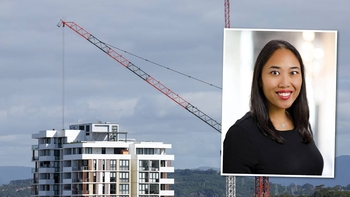

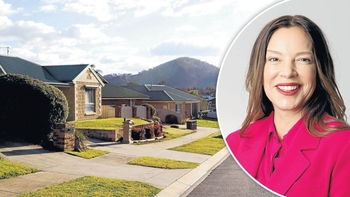

Household savings have plummeted since the RBA's started hiking the official interest rate in a sign that interest rate hikes are starting to put the squeeze on mortgage holders, according to one economist.
PRD chief economist Dr Diaswati Mardiasmo said that the latest statement on monetary policy, issued in August, had shown a dramatic decline in household savings as a share of disposable income from earlier this year.
"[The interest rate situation] is is getting more concerning and I base this off household savings," Dr Mardiasmo said.
"We started off with household savings at about 20 per cent when we started on this cash rate rise journey - which is definitely the peak and the highest aggregate savings we've seen in years - most of it because of COVID-19, because people couldn't travel and saved their money. The August decline was quite steep, it's gone down from 20 per cent to about 12 per cent," she said.

Dr Mardiasmo said that only some of the rate hikes had been captured by the August statement, meaning the full extent of their impact may not be known for some time.
While the RBA had previously forecast that household savings would hit 5 per cent at the end of 2023 - the same level it was pre-pandemic - Dr Mardiasmo said the steep rate of decline already witnessed this year was of concern.
She predicted that saving levels could soon dip below 10 per cent.
"It's concerning because it means that we don't have as much of a buffer as we would like for people to absorb increasing costs. It's not just mortgage repayments, other repayments like groceries and energy costs are going up."
She said that if the RBA raised the official interest rate again on Tuesday - as predicted by most economists - most mortgage holders wouldn't see the full increase until October, the same time most quarterly bills came due.
"The end of the quarter is usually when you get your rates bill, energy bills - these are not small bills these are sometimes $800, $700 dollar bills and they will all be hitting at the same time the end of the quarter."
Dr Mardiasmo said that while the RBA took into account a number of measures when deciding whether to hike rates - including wage growth, which is currently above average - the rate of inflation and decline in savings meant they should reconsider how fast they are rising rates.
"In combination between that [inflation] and household savings and our consumer confidence I think it's time for the RBA to [reconsider] ... They always say to us they are always taking into account peoples psychology and combining all of those things I would say now is definitely time for the RBA to have a rethink on the strategy of how high and fast they are increasing rates," she said.
Price declines to continue
Dr Mardiasmo said that she expected property prices to continue declining while uncertainty around interest rates continued.
"There is still definitely that level of uncertainty that people aren't sure what the RBA will do," she said.
"Its hard [for buyers] to plan that because you could be planning to borrow something this month but your borrowing power could change next month when you enter the market
"We're definitely going to start to see people take the more cautious approach just because they can't plan ahead."
Dr Mardiasmo predicted that unit markets would see the biggest declines given the level of supply, particularly in capital cities, with house prices holding steadier.