
Apartments at the top end of the market are going from strength to strength, with new data revealing luxury units are outperforming their affordable counterparts in price growth.
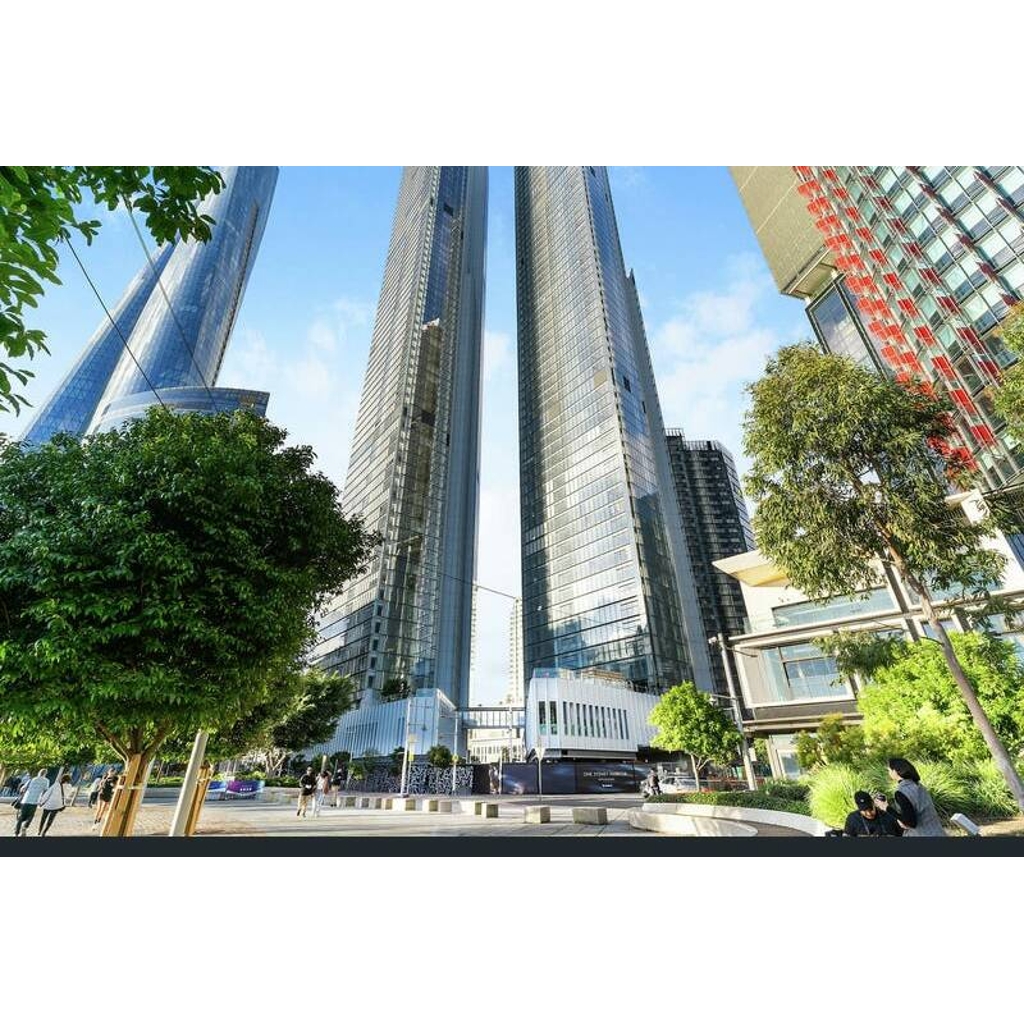
Data analysis from Ray White showed apartment prices in the top 5 per cent of the Australian market have soared by a whopping 55.86 per cent over the past 10 years to hit an average $1.59 million price tag, according to Neoval research.
Meanwhile, the typical unit price has climbed by 44.8 per cent to a median of $667,491 - despite being more accessible to the average buyer.
This trend in unit price growth starkly contrasts that of the housing market, where affordable houses are now outpacing the luxury market.
Downsizer demand
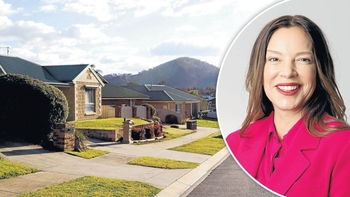
Ray White's chief economist, Nerida Conisbee, said this disparity was primarily driven by downsizers, typically older homeowners or retirees, who are less sensitive to interest rate changes due to their substantial equity or ability to make cash purchases.
"These buyers are often willing to pay premium prices for spacious, high-quality apartments that offer comfort and convenience," she explained.

"They're very different buyers to people upgrading or buying their first home as they probably own their property outright and might have a bit of money left over after selling their big house."
Ms Conisbee also attributed schemes like the federal government's downsizer super contribution to the upward trend in luxury apartment growth.
This grant allows those 55 or older to contribute up to $300,000 from the proceeds of selling their home into their superannuation fund.
In states like Victoria, eligible pensioners can also receive a one-off stamp duty exemption or concession, further incentivising older generations to cash in on the family home and downsize to a smaller pad that still provides a low-maintenance, affluent lifestyle.
Viable builds
Further, the luxury apartment market has remained relatively unaffected by rising construction costs compared to affordable units, with developers struggling to build apartments that are high-quality while still remaining affordable amid soaring material and labour costs.
"The premium sector can absorb higher construction expenses as affluent buyers are prepared to pay elevated prices," Ms Conisbee added.
"Now developers are responding to new demand from primarily older people and building better apartments."
Ayre Real Estate director Chervonne Papworth, who is selling a $3.7 million apartment at 8F/2 Watermans Quay in Barangaroo, noted that Sydney's luxury unit market has remained buoyant because there has always been a generation either downsizing or looking for a lifestyle change.
"For the younger bracket, there's more regulations and requirements from the bank to get a loan out, and they have a much higher reach and targets to meet to do that," she added.
Trading in cash

"People in the luxury market have the privilege to be able to trade out for cash."
Ms Papworth said in addition to downsizers and retirees, the growth trend among high-end units was also being driven by the offshore market - particularly buyers from Southeast Asian countries such as China who might be accustomed to luxe apartment living with all-inclusive amenities.
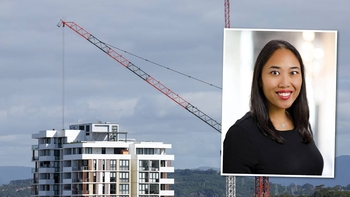
Further analysis by Ray White senior data analyst Atom Go Tian showed Sydney had the most expensive luxury unit market, followed by regional Queensland, including the Sunshine Coast and Gold Coast, and Melbourne, which came in third.