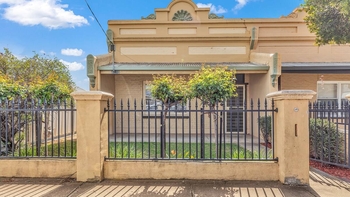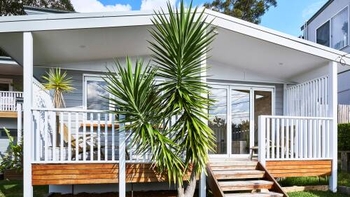

Investors are making a tentative return to Hobart, Australia's weakest capital city property market, which appears to be finding its feet after a tough couple of years.

Residential property in Hobart went on a bull run from 2016 to 2021 with prices in many cases doubling as the city attracted an unprecedented number of new investors and residents.
But it quietly imploded after peaking in 2022, hard hit by a dramatic drop in population growth, high interest rates and the exodus of investors.
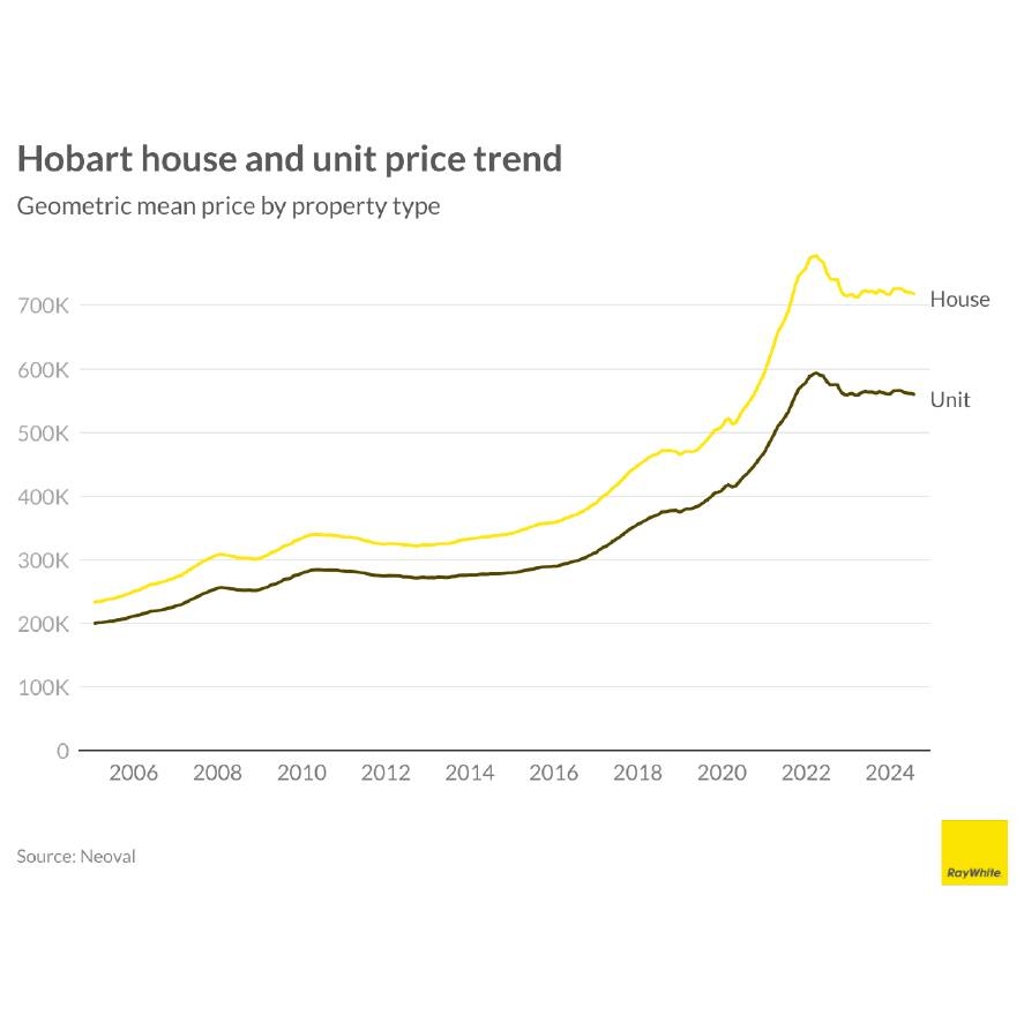
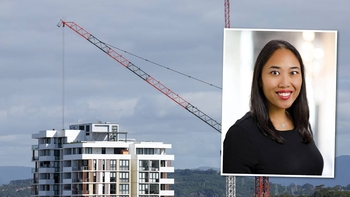
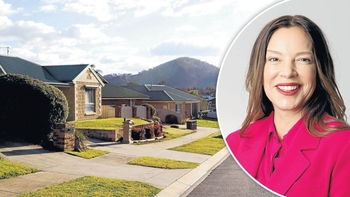
Nerida Conisbee, Chief Economist at Ray White, says Hobart house prices lost 0.6 per cent in value for the year to July 31, while Real Estate Institute of Tasmania (REIT) data indicates Hobart house prices have fallen by between 5-10 per cent in the past two years.
"Hobart is a very weak performer, even weaker than Melbourne," says Conisbee.
"They are the two areas we are seeing the fastest weakening conditions in Australia."
Moving to Tassie over
Conisbee says population growth - or the lack of it - is the main factor.
In the five years between 2016 and 2021, around 2500 people were moving to the state every three months, fuelling property price increases around Tasmania, particularly in Hobart.
But that surge in migration to Tasmania has hit a wall with just 588 new residents arriving in the southern state each quarter through 2023.

Tasmania's population grew by just 0.4 per cent last year compared with the national average of 2.5 per cent growth.
"Tasmania was doing incredibly well in attracting people, but it's completely lost that edge and it's impacting the housing market," says Conisbee.

"The other thing is we're seeing is properties not selling quickly. Days on market is the highest it's been since 2015.
"Properties are coming to market but they're not just clearing, and low populations growth is obviously a driver.
"There's not much investor activity either. If investors are not keen on it, then that's a problem."
Investor tide turning
John McGregor, REIT Southern Branch President, says investors traditionally account for 20-25 per cent of all sales in Hobart.
McGregor says investor transactions have plummeted, accounting for 13 per cent of all sales in the March quarter.
However, this was an improvement from June last year, when just 9 per cent of property sold to investors, and McGregor believes the tide could slowly be turning.
"Our anecdotal stories are starting to change," says McGregor who is now fielding calls from investors looking for what they believe are counter-cyclical opportunities.
But he predicts there'll be no rapid turnaround.
"We can expect prices to stay as they are until the next cycle which based on history may not be until 2026 or 2028."