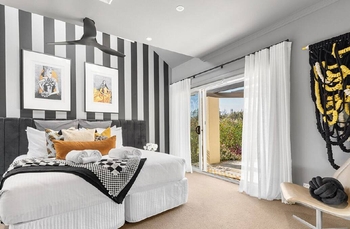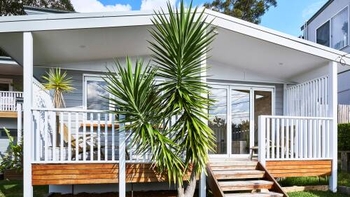



The biggest gripe a downsizer has? Downsizing. It’s the same problem for a world of downsizers: where to put the stuff. While it is inevitable that you are going to have to say goodbye to quite a few of your belongings when downsizing, the best way to often view your move is through a lens of living more sustainably and cleanly, as this approach will allow for a greater utilisation of space and form a green home.

1. Using less plastic
Replacing many of your plastic household items with long-term natural materials may change your attitude towards your own wastage and usage, reducing your need for space and making a serious impact in your attempts to create a green home.
Firstly, get to know the different types of plastics used in everyday items. Variations in the type of plastic used in an item are shown with a number between 1 and 7, encircled by three arrows forming a triangle. The big three to avoid are:
PVC #3 Polyvinyl Chloride, common in clingwraps, cooking oil containers, and some Tupperware, is highly toxic.
PS #6 Polystyrene is how it sounds, full of styrene, which is toxic for the brain and research suggests it leaches chemicals.
Other #7 Polycarbonate, contains anything that does not come under the first 6 types of plastic. In other words, who knows how bad it is for you?
Being aware of the different grades/types of plastic used in manufacturing, you can reuse certain items knowing that they will not leach the same level of toxins.
Look towards alternatives to plastic where you can. Buy in bulk and create storage out of glass and wood. In the kitchen, compost your veggies, use cloth bags for shopping, use glass for storage, and use natural cleaners. In the bathroom, avoid personal care products with microbeads, buy in bulk or make your own shampoo (or buy shampoo bars), use soap bars rather than soap dispensers, and source items made with natural materials (for instance, use a safety razor made from metal, rather than disposable razors).
Removing as much plastic as you can is a great step to creating a healthy home. Creating healthier plastic-free living practices will help you reassess your lifestyle patterns and reduce your need for space within the home.
2. Space-saving solutions
The most obvious part of creating a green home and creating space for yourself is to find places to hide items.
Storage solutions often revolve around organization. Aside from the weirder storage ‘hacks’ found online, and the million usages for a coat hanger, there are obvious and achievable rules to follow.
- Create storage space in dead space. Besides a single shelf in the obvious places, use shelving in unused spaces, such as above and either side of doors.
- Find places to hang belongings. How many wasted doors and cabinets do you have that you could quickly attach some hooks onto for some easy storage solutions?
- Don’t just think 2D. There may be space-saving solutions on the wall, but what about under the bed, within the stairs etc.? Replace a wardrobe with a bed base that has drawers built into it, then use that saved space to house other items.
3. Living green
The final step in promoting a healthy living lifestyle is to find ways to turn your everyday usage of food, energy and waste into that which suits a green and healthy home.
The easiest way to do this is to eat more veggies and compost the leftovers, but you can also install a compostable toilet, recycle your grey water to either be used in the garden or use it to flush your toilet (it’s as easy as keeping a bucket in your shower to collect wasted water), install solar panels, change to energy-efficient light bulbs, swap your plastic storage for bamboo/wood storage, but most importantly: get rid of the stuff you don’t use. Do you have 14 forks and 11 knives? Are there only two of you in the home? Reconsider how many individual items you need and do this on the small scale. Starting small will lead you to reconsider the value of larger items in your home and help you live more comfortably with less, leaving you more cash and more space.