

This time last year the property market was running full steam ahead, strong sales activity saw agents working up until Christmas and beyond and you could still get a fixed mortgage rate with a 2 in front of it.
What a difference a year makes.
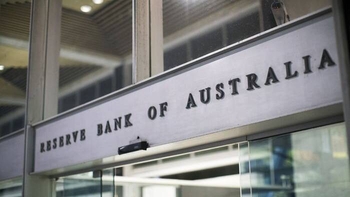
The Reserve Bank of Australia began lifting the cash rate in May in response to high inflation figures and hasn't stopped since - enacting the fastest series of rate hikes since the 1990s and sparking a dramatic turnaround in property values.
As the property market edges toward the end of 2022, prices have fallen by more than 10 per cent in some areas, fixed rate mortgages start from 5 per cent and buyers can afford to borrow far less than they could a year ago.

Nationally, home values have declined by 7 per cent since April - the steepest decline on record, according to CoreLogic.
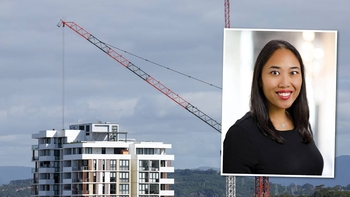
"Amid the fastest rate-tightening cycle since the 1990s, home values declined 7 per cent from April through to the end of November. This is the steepest decline in home values on record, and represents an equivalent fall of around $53,000 in the national median home value," CoreLogic head of research Eliza Owen said.
The flow on effects are visible in the property market: auction activity is more subdued, with most locations consistently recording a clearance rate of 60 per cent or less, and nervous vendors are holding off on listing.
"Vendors may have chosen not to list their property in the past few months because prices have deteriorated from a peak in April," Ms Owen said.
Falling prices are usually good news for first-time buyers trying to crack the market, but while it now takes a shorter time for first-time buyers to save for a deposit, rising rates mean paying the mortgage is taking up more of the household budget.
Experts say the trajectory of property prices is intrinsically linked to what's happened - and what's yet to happen - to the official cash rate.
Everyone is watching for what the RBA does next - with some predicting that the large number of fixed rate mortgage terms ending in the first quarter of 2023 will present a significant test for the market.
"There is still the possibility that the pace of declines could reaccelerate [next year], especially if the current rate hiking cycle persists longer than expected. Next year will be a particular test of serviceability and housing market stability, as the record-low fixed rate terms secured in 2021 start to expire," CoreLogic research director Tim Lawless said.
Buyer's agent Pete Wargent, of BuyersBuyers, said the challenge presented by this fixed rate cliff was unprecedented.
"The fixed rate mortgage cliff has been talked about as a potential issue for some time, but only now is it about to become a significant problem for the Australian economy," Mr Wargent said.
"Historically only a relatively small share of mortgages written in Australia have been accounted for by fixed-rate mortgages," he said.
"But as interest rates were dropped to a record low through the pandemic, fixed-rate mortgage volumes were extraordinarily high for six consecutive quarters from the September 2020 quarter through to the quarter ended December 2021."