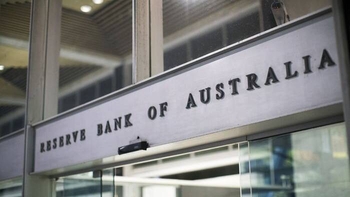


The Reserve Bank of Australia has delivered the Christmas gift no homeowner wanted: an eighth consecutive increase to the official cash rate, taking it to 3.10 per cent.
For those borrowers on a variable rate, it's likely most banks will pass on at least some of the increase in the coming weeks.
But there are steps borrowers can take now to improve their financial situation in the year ahead, before the RBA decides to hike rates again, as is widely anticipated.

"Spend the summer getting your finances in order by understanding what your repayments will be after this hike, but also how high they could go next year. If you know you won't be able to make those higher repayments, take action now," advised RateCity research director Sally Tindall.
"One of the most effective ways to inject ongoing relief into your budget is to refinance to a lower-rate lender.
"Switching banks might seem as appealing as sticking pins in your eyes. However, with many lenders now offering applications in less than an hour, it should leave people time to apply and still get to the beach.
For those struggling to make repayments, Ms Tindall said it's better to make your bank aware of the situation sooner rather than later.
"If you can't make the budget stack up, call your bank well before you miss a repayment to see what options you have. Also spend some time getting independent financial advice," she said.
Tip 1: Shop around
Once banks pass on the latest interest rate increase, borrowers should check their new rate and compare it to what other lenders are offering - making sure that the new lenders' rate reflects the December cash rate rise.
Tip 2: Check how much you owe
How much equity you hold in your property (in other words, how much of it you own, and not the bank) can determine whether it makes sense to refinance.
RateCity advises that if you have equity of 30 per cent or more, you might be eligible for rate discounts from some lenders. However, those borrowers who have less than a 20 per cent stake in their property (including many new borrowers who bought at the peak of the market) might find it costly - or impossible - to refinance, with many lenders demanding borrowers who fall into this category take out lenders mortgage insurance.
Tip 3: Don't lose sight of the end game
The goal for the vast majority of borrowers should be paying of their loan as soon as possible, particularly as retirement approaches.
With that in mind, RateCity advises borrowers to make sure they're not signing up for a longer loan term when they refinance. For example, if you're 5 years into a 30-year loan term, they advise asking your new lender for a 25-year loan term, or shorter if possible.
Tip 4: Amp up those repayments
If you can afford it, making higher repayments can be a way to beat future rate rises - especially if you've refinanced to a lower rate. If you can keep paying the same amount as on your previous loan you'll save on interest and build a buffer for down the road, according to RateCity.
Tip 5: Don't be tempted by flashy upfront offers
The mortgage lending business is a competitive space, and most lenders will do anything to stand out from the crowd. But RateCity advises refinancing borrowers to beware of offers like cashbacks - they can work in your favour, but you need to make sure you're not refinancing to a higher rate in order to get your hands on the cash.
Tip 6: Waive the fees, please
Sometimes dealing with a lender is a case of if you don't ask, you don't get, according to the experts at RateCity. They advise asking a new lender to waive any new account fees associated with switching mortgages.