
Australia's regional property markets are continuing to go from strength to strength in 2025, with some remote areas of the country posing strong investment opportunities.

Recent CoreLogic figures showed, combined regional areas across the nation shot up by 0.4 per cent in January to reach a median property value of $656,545.
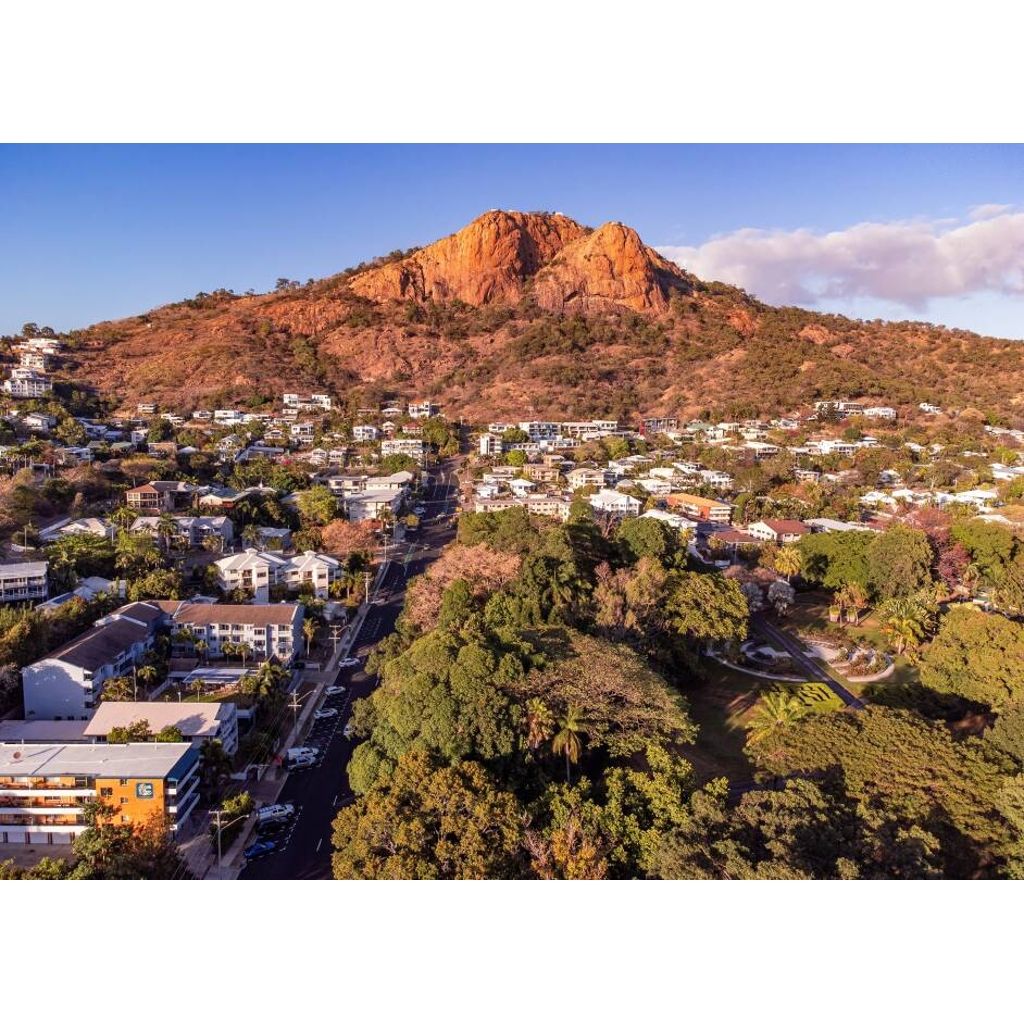
The data revealed more remote regional suburbs including Townsville, Rockhampton and Gladstone in Queensland; Geraldton and Bunbury in Western Australia; and the Barossa region in South Australia saw the strongest growth in property values last year.
In the 12 months to January 31, 2025, combined regional areas across Australia also saw home prices shoot up by 10.5 per cent.
Affordable investment
Capricorn Life buyer's agency founder Troyson Bassani often assists buyers looking to purchase in regions like Townsville, Rockhampton, Bundaberg and Gladstone.
He has advised many buyers in the past 12 months who have been priced out of Melbourne and Sydney and had turned to rentvesting in regional Queensland.
Mr Bassani said the area offered affordable entry points and a higher rental yield than what is seen in capital cities, making them attractive for investors.
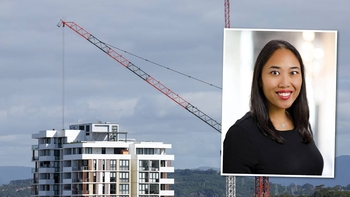
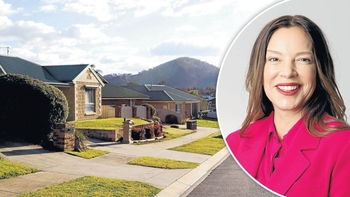
Top buyer's agent and former president of the Real Estate Buyers Agents' Association (REBAA) Cate Bakos agreed that regional areas presented a solid investment.
However, she warned buyers of misunderstanding the underlying growth drivers including the specific streets, pockets and dwelling types that were in demand in these towns.
"These cities are big," Ms Bakos said. "They aren't one-horse towns or single suburbs. Like a capital city, they need to be appreciated for their diversity."
As with the larger capitals, investors will need to research the sub-areas of regional hotspots that may be less desirable, or affected by floods or other important overlays.
Ms Bakos said it was also important to consider the tenant demographic across the region, which would not necessarily be homogeneous.
"The worst thing any investor can do is assume that any slice of a city is a good slice, just because the broad data is encouraging," she said.
"I'm a huge fan of regional city investing, but not without plenty of knowledge and a willingness to invest in the due diligence."
If there's a regional area you're looking to invest in but haven't visited, the buyer's advocate said it was also worth taking a trip to view properties in person.
"Buying without physically inspecting is a big no-no," Ms Bakos said.
Size matters
So what makes certain regional towns or cities a good investment, beyond looking at increasing prices?
For starters, it's worth researching areas where there is more than one industry for employment, as one-industry towns can be "quite a dangerous thing", according to Ms Bakos.
Regional cities like Queensland's Gladstone and Rockhampton, or WA's Geraldton, are heavily reliant on the mining industry, making them potentially volatile investments as property values are determined by that industry's performance.
However Mr Bassani said in his experience, towns such as Gladstone, Mackay and Rockhampton were less reliant on certain industries than 10 years ago.
"The local government in these areas are doing a really good job at bringing private investment into the community, and members of parliament are bringing lots of public infrastructure on board as well," he said.
"These markets have some really good stability now and it puts them away from economic shocks that can occur when there is a downturn in certain industries like mining."

It's also vital to consider population levels when deciding on which regional areas to invest in.
Ms Bakos said towns with populations above 50,000 presented better investment opportunities, particularly those closer to 100,000.
"But I have certainly seen smaller regions perform well," she said. "The growth drivers just need to be sustainable and varied."
Hospitals and education are also important infrastructure to consider.
Ms Bakos said a viable capital growth investment option should also demonstrate job growth across multiple sectors, in addition to a stable local economy.
"Importantly, population growth doesn't necessarily spell capital growth," she said.
At what price
As for a good price point to start with, this will vary between regional cities.
But don't just go for a bargain and target the lowest quartile of the market, Ms Bakos said.
"For those who can't or don't wish to engage a local area expert, a great person to start with is an established property manager," she said.
"They will quickly steer you away from the locations and the dwelling types that spell trouble."
Mr Bassani said any buyer with a $550,000-plus budget would be able to comfortably invest in any regional Queensland market, despite prices increasing astronomically over the past couple of years.
Checking the 'sold' tab of a property search engine is an easy way to reveal the sales figures in the current climate so you know exactly what you need to be prepared to spend.
"Focusing on the quality suburbs, and knowing what attributes great tenants value is important," added Ms Bakos.